
Starting a Burlington County Resident Search
No one roster lists every Burlington County household. Every search begins with a question. Is it about property, or about a person? A property question turns on the municipality, the block and lot, or the recorded owner. A name question can lead to the voter portal, the County Clerk's land index, the Surrogate's estate index, or the courts. Each source proves a different fact. A residents directory entry says someone lived somewhere; a deed says who held title. Start by writing the full name exactly as seen, including initials or older spellings, plus the municipality, any known address, and the period in question.
Never trust one source alone. Pair two independent records before accepting a link between a name and a place. The property trail confirms a recorded owner and legal description, while a dated directory entry, estate record, or election record adds a second thread. An owner is not every occupant. A registered voter is not the whole household. Sealed, protected, or incomplete records can keep an expected name out of public results entirely.
- Normalize an address to its legal municipality, then obtain the block and lot through NJGIN or the municipal assessor.
- Search the County Clerk's PRESS index for recorded land documents that fit the date and property key.
- For a personal registration question, use the state voter search with the name recorded exactly by the county.
- Use the Surrogate, court, or vital-record custodian only for the question that record can answer.
- For an older household, compare library directories, newspapers, maps, census material, and archive holdings by year.
Burlington County PRESS Has Two Time Windows
The County Clerk's Public Records Electronic Search System, or PRESS, is Burlington County's home for deeds, mortgages, liens, and plats. It also covers recorded-property history. Its search methods split by recording date. Anything recorded on or after March 1, 2012 can be found by municipality and block and lot. Owner name works too. The older stretch, 1965 through February 2012, is owner-name-only. Pre-1965 documents live in a separate county archive viewer, also searched by owner name.
PRESS offers several modes: instrument, document type, block and lot, and name. A name search takes a last name or company, an optional first name, and a document type. It also asks for a date range. The percent sign works as a wildcard. When you find a hit, record the party role, the recording date, the instrument or book and page, the municipality, the block and lot, and the legal description. Note whether an image exists, too. Keep perspective on what it proves. A recorded party is not automatically a current resident. The Burlington County residents directory property trail needs the dates to speak for themselves. The PRESS search screen posts the official entry points.
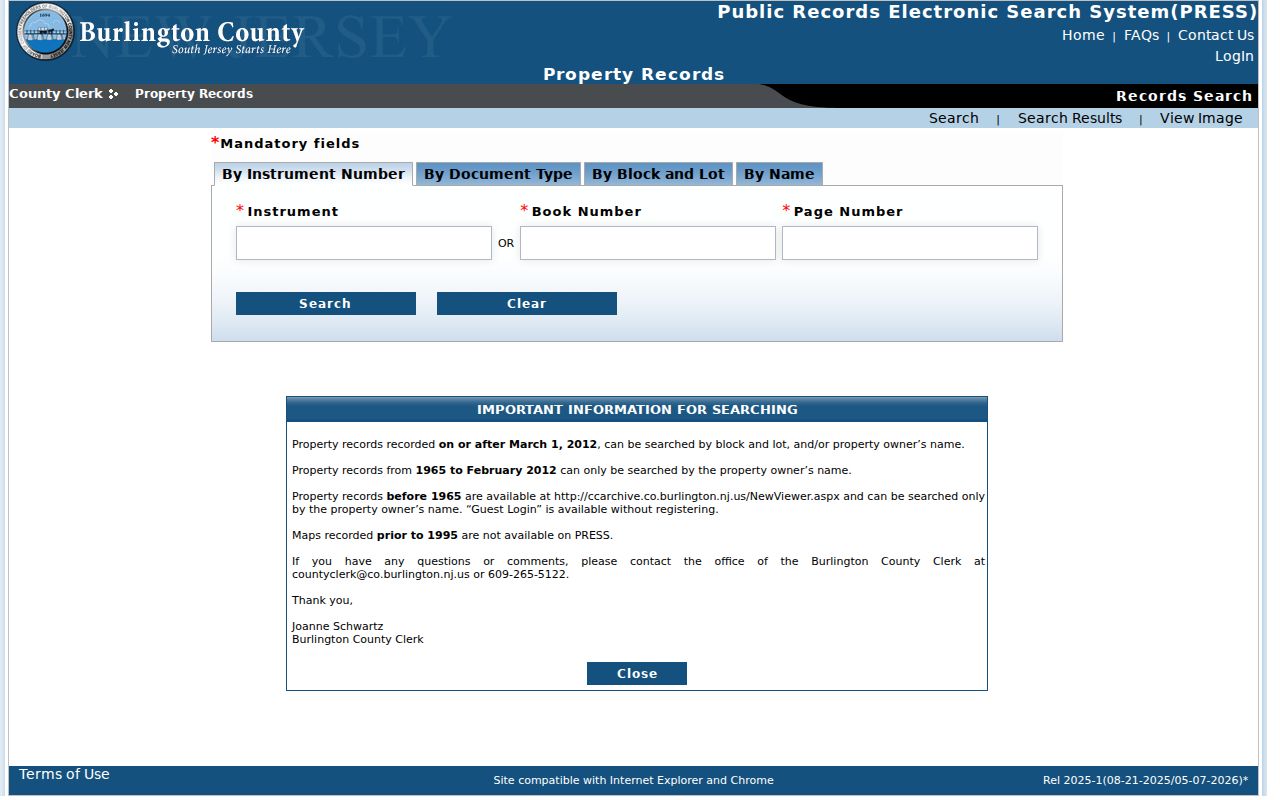
Check the date boundary before concluding that an address has no recorded history in the online index.
| PRESS field | Use in a county search | Format or limit |
|---|---|---|
| Municipality | Sets the locality for document-type and block-and-lot modes | Required in those modes |
| Block and lot | Connects a parcel to post-March 2012 records | Lot qualifier is available when needed |
| Last or company name | Finds a recorded party in name mode | First name is optional; % is a wildcard |
| Document type and dates | Narrows a name or property result set | Date format is mm/dd/yyyy |
| Instrument, book, page | Retrieves a citation already in hand | Used together in instrument mode |
Parcel Keys for Burlington County Addresses
New Jersey's statewide Property Explorer and NJGIN parcel resources supply the map side of any Burlington County address search. Their documented keys are address, county, municipality, block, and lot. NJGIN also carries address points tied to road centerlines and alternate street names. That makes it a practical tool. Use it to resolve a street spelling or postal label before you open a Clerk or assessor record.
The county's Interactive Maps page lists a Property Viewer Web Map and a recommended Property Viewer Mapping Application. Both are currently offline. NJGIN stands in as the active source for geometry and parcel keys. Its hosted parcel layers redact owner names under Daniel's Law. So the municipal assessor and PRESS remain the proper next stops for authorized land-record detail. The municipal assessor also keeps the parcel card and tax-list detail.
- Parcel
- A defined piece of land used for assessment and mapping.
- Situs address
- The physical location of the parcel, which can differ from the owner's mailing address.
- Block and lot
- New Jersey's municipality-based parcel key, sometimes accompanied by a lot qualifier or PIN.
- Criss-cross directory
- An address-to-name directory, useful for dated historical occupancy clues.
The NJGIN parcel resource maps each Burlington County address to its municipality, block, and lot. Those keys unlock the parcel rolls.
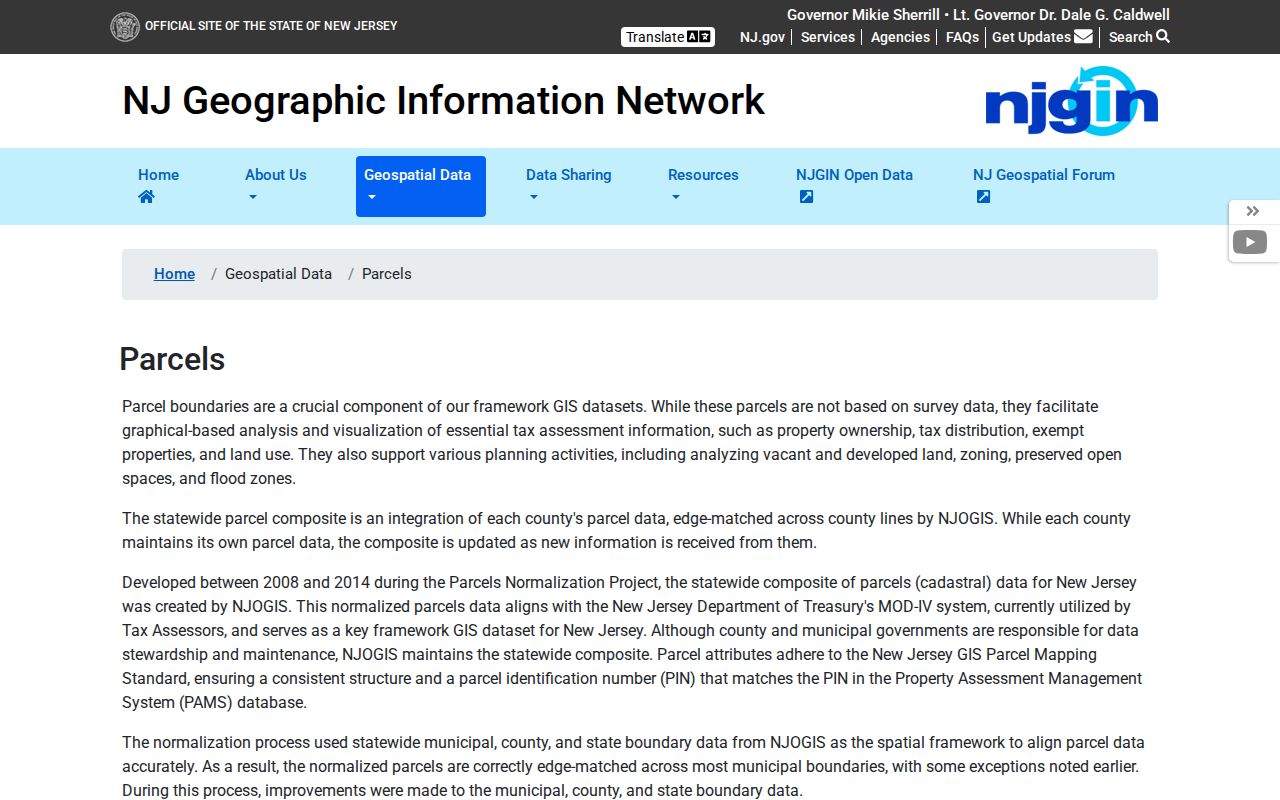
Keep a parcel's physical situs separate from its tax-mailing address when comparing records.
Burlington County Offices Behind Resident Records
Resident records here live in separate offices, not one master list. Property instruments belong to the Clerk. The Surrogate keeps estate and probate administration records. Each municipal assessor holds the parcel-level assessment material. The Board of Elections answers voter-record and district questions. To get anywhere fast, name a specific record. Attach a date or property key. Direct the request to the custodian who actually creates it. For the full address trail across the county, the Burlington County street directory carries the detail.
Burlington County Clerk
Property recording and public-record searches
Mount Holly, NJ
609-265-5122
Municipal Assessor
Parcel cards, tax lists, and assessment information
Custodian varies by municipality
Use the municipal assessor contact listing
Burlington County Board of Elections
301 Harper Drive, Moorestown, NJ 08057
Registration and district material
609-265-5557
New Jersey Voter Search Needs Exact Names
The state Am I Registered? Voter Search answers one narrow question: does a single registration record exist? It is not a countywide browse of Burlington County households. The name you enter must match the county record exactly. A stray hyphen can return no-match. So can a missing middle initial. A nickname, a changed surname, or an inactive status can all return no-match too. None of that proves a person never lived in Burlington County. A successful result can hand back a voter ID tied to the person's own account.
Ordinary voter-list material may cover name, residence or mailing address, and party affiliation. Ward or district and status may also appear, with redactions applied. Signatures stay private. So do Social Security numbers, driver-license numbers, non-driver IDs, and protected addresses. Ballot choices are always secret. When the portal hides a documented list or map, the local route is the Board of Elections or the Commissioner of Registration. Approach either office with a tightly focused request.
For a quick self-check, the official voter-search page is the right first stop.
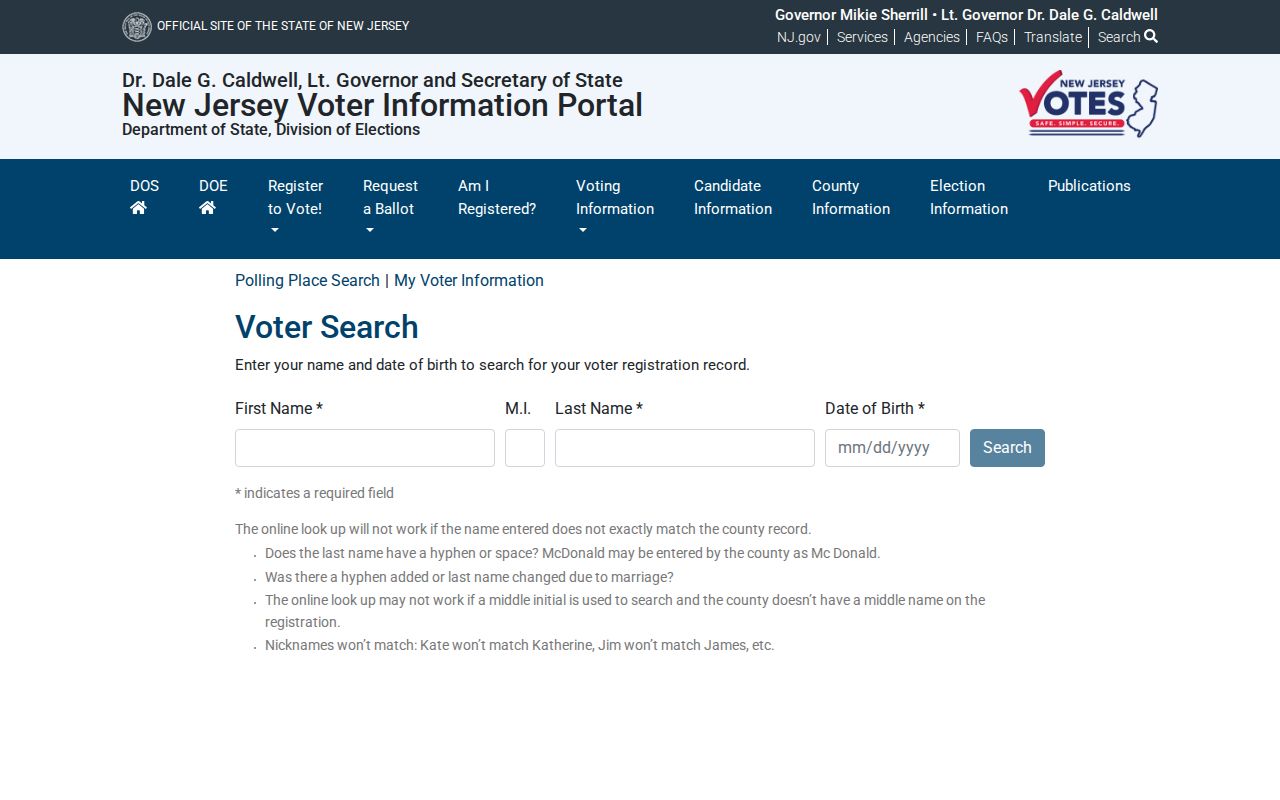
Exact spelling and protected-address rules explain many apparent gaps in a registration result.
Burlington County Estate Records Add Name Clues
For a family-history question, an estate record can settle it. The question may turn on an heir, an executor, or a death date. Start with the Burlington County Surrogate live index. The search fields are Last Name, First Name, Docket No., City, and Death Date. Results return an ID, name, suffix, docket number, city, and death date. Enter at least one selection criterion. Filters, sorting, grouping, and export to XLSX are all supported. The index is not the complete universe of official records. The Surrogate says so plainly. It can also lag by 24 hours or more.
Record searches at the office run by appointment. Staff also handle business in person, by telephone, email, and regular mail. Ask which part of a probate file is releasable. Do not assume every person or contact field in an estate administration record is public. Older surrogate material reached the State Archives on microfilm. Books there begin in 1804. Most county surrogate records through 1900 are preserved that way. The Surrogate index lays out the official search choices for an estate lead in Burlington County.
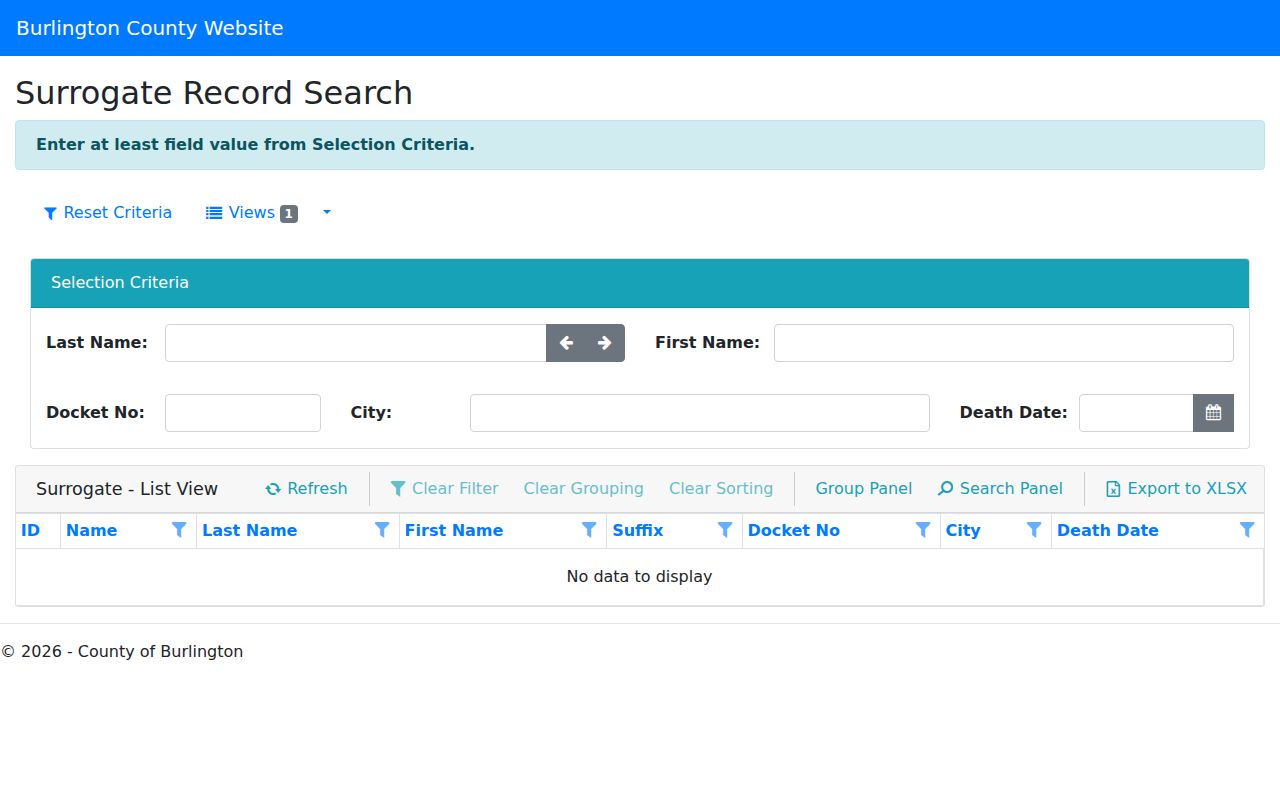
An index row is a lead to the proper file-request process, never a complete probate record in itself.
Current Burlington County Directory Sources
Each source below answers a different current or recent question about Burlington County. The statewide parcel layer supplies geography but redacts hosted owner names. A property or tax record can identify a recorded owner or mailing address. It will not name every occupant, though. Voter information carries its own exact-name and protected-person limits. Court and estate records are event-specific rather than general household lists. For a one-person check, use the verification sequence on the Burlington County resident lookup page. It works better than any single directory source.
| Source | What it can confirm | Custodian | Access route |
|---|---|---|---|
| PRESS land index | Recorded parties, property instruments, dates, legal descriptions | County Clerk | Public interface, archive fallback for older material |
| Parcel and assessment record | Parcel key, situs, owner and mailing fields where visible | Municipal assessor | NJGIN plus local custodian |
| Voter registration | Exact registered-name and public election geography | State and county election offices | Voter search or focused request |
| Surrogate estate index | Estate name, docket, city, and death date | County Surrogate | Live index, appointment, phone, mail, or email |
| Historical directory | Dated address, occupation, household, and business clues | BCLS, archives, and historical repositories | Online catalog, library access, or appointment |
Burlington County Court Hits Need Context
The New Jersey Courts Find a Case hub splits its paths into civil and foreclosure, criminal, criminal judgment, judgment lien, tax, Supreme Court, and municipal matters. Civil and foreclosure public access allows a search by docket number or party name. It also adds case county, docket type, number, and year. Criminal search runs on a name or a county. Judgment search accepts a defendant name, SBI number, complaint number, or indictment number. Municipal matters usually begin with a ticket or complaint number in NJMCDirect.
A docket is not a finding of liability or guilt. Read the case type, date, status, and disposition carefully. Court Rule 1:38 limits access to confidential material. Juvenile, sealed, expunged, adoption, and some family records are not ordinary public hits. For a closed file, the Judiciary documents a CN 10200 request through JEDS or mail to the Superior Court Clerk's Office. A separate copy-fee schedule applies. The Find a Case hub displays the court-search categories Burlington County researchers can use.
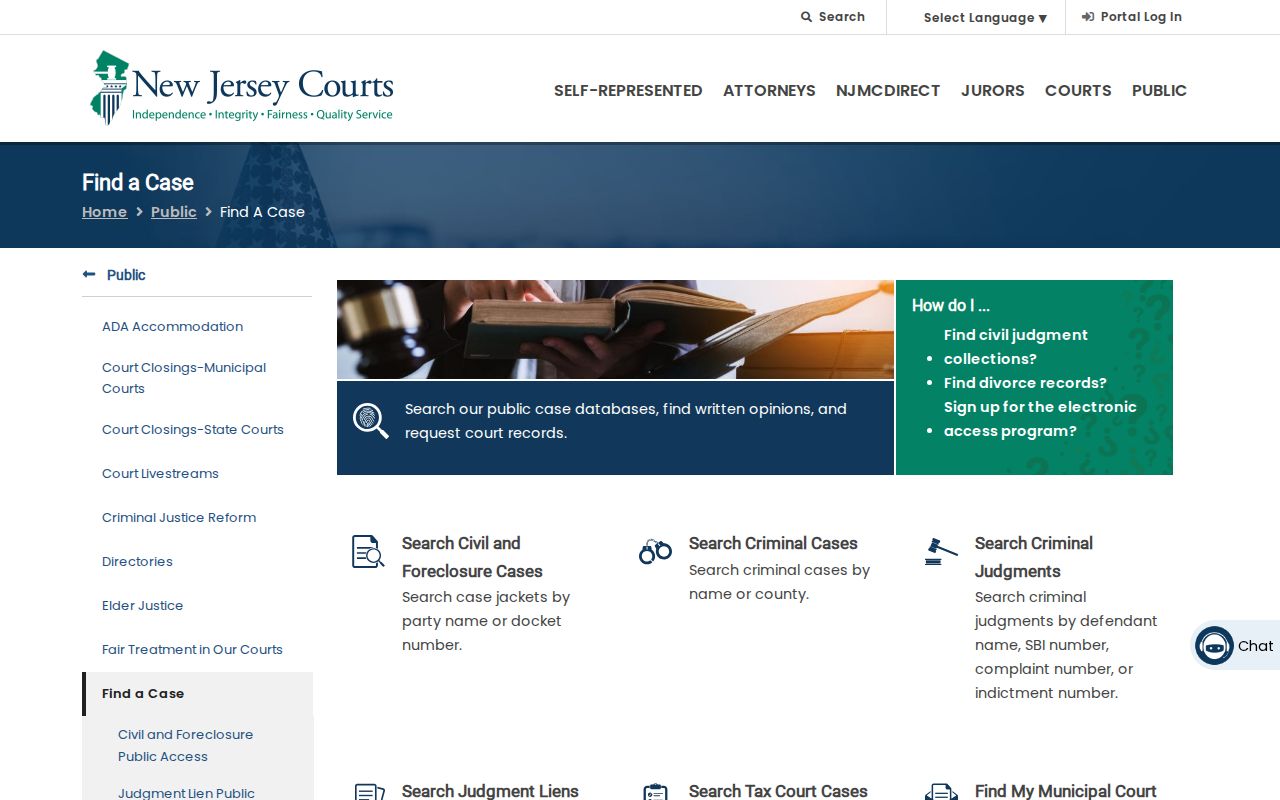
Treat a public docket as a prompt to verify the disposition and find the proper route to the underlying file.
Burlington County Vital Records Have Custodians
A birth, death, marriage, civil-union, or domestic-partnership request belongs first with the municipality where the event occurred. A statewide copy comes from the New Jersey Department of Vital Statistics and Registry. The Burlington County registrar list helps identify the local office. New Jersey treats births within 80 years, marriages within 50 years, and deaths within 40 years as non-genealogical. Certified copies require identity proof, a qualifying relationship, or a court order. Informational genealogical certifications are not identity documents.
State requests need a completed application, an acceptable ID copy, and the correct fee. The initial state search with one certified copy, certification, or No Record Statement costs $25. Additional copies in the same order are $2 each. A local registrar may charge different fees and process differently. Mail, walk-in, online-partner, and phone-partner routes are all documented. Historical researchers can draw leads from State Archives microfilm. Newspapers, cemetery materials, BCLS, and FamilySearch help too. The state vital-record order page outlines the application and eligibility path.
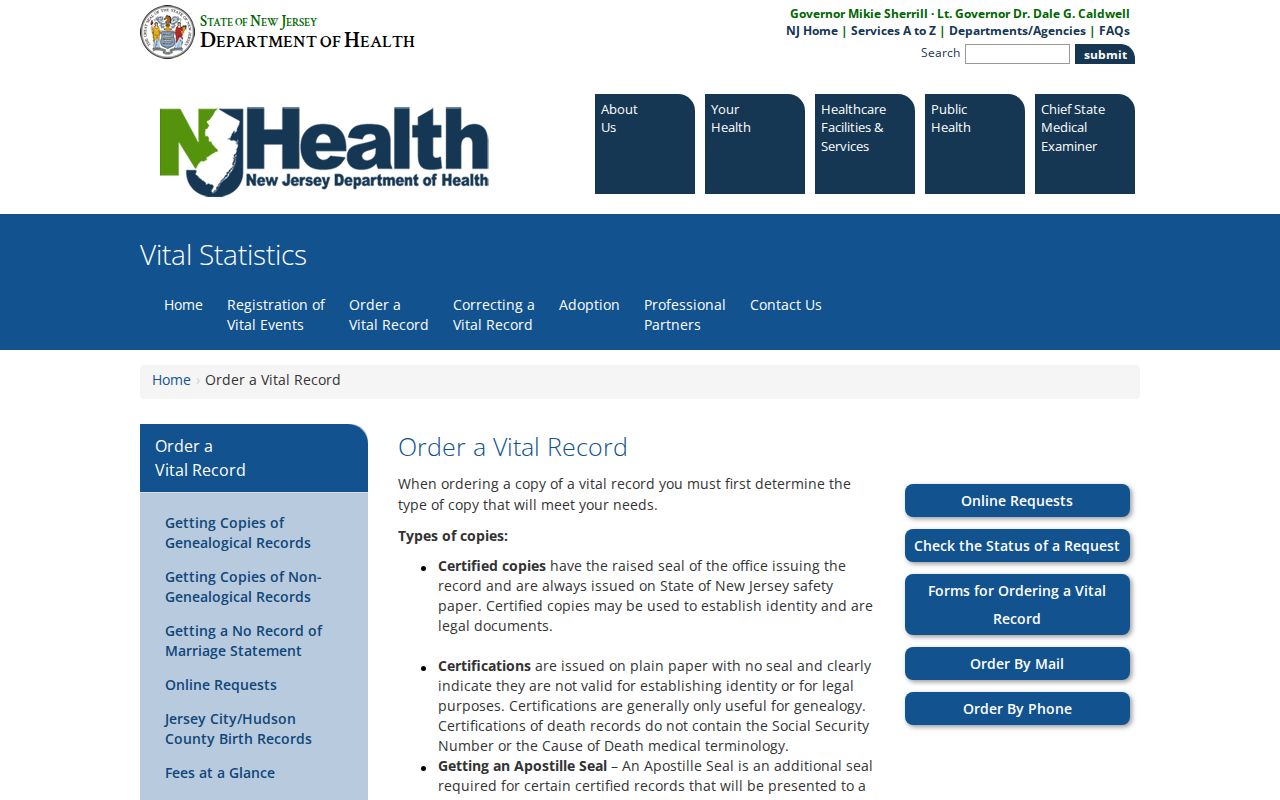
Choose a local registrar, the state office, or a historical repository based on the event date. Match the repository to the type of copy you need.
Burlington County Deed Records Began Early
The County Clerk traces public deed recording in Burlington County to West Jersey's 1676 Concessions and Agreements. A 1799 conveyance act also required county books for deeds and conveyances. That history matters. A modern PRESS search is only one segment of a longer property trail. The State Archives' Burlington guide identifies deeds from 1785 through 1901. It also lists indexes from 1785 through 1921 and 1948. The guide covers 198 microfilm reels. County deeds through 1900 sit on microfilm. They are digitized through FamilySearch, per State Archives guidance.
The 1965 and 2012 split serves as a useful numbers check. An address may need an owner-name search in the middle period. It may need the County archive viewer before 1965. Older records call for microfilm or digitized book images. At each step, record the exact party spelling, year, instrument or page, and legal description. A seller-to-prior-owner chain gains strength when it agrees with a directory, map, obituary, or probate file. The County Clerk's Property Fraud Protection page offers a free alert. The alert fires when a document is recorded in a subscriber's name.
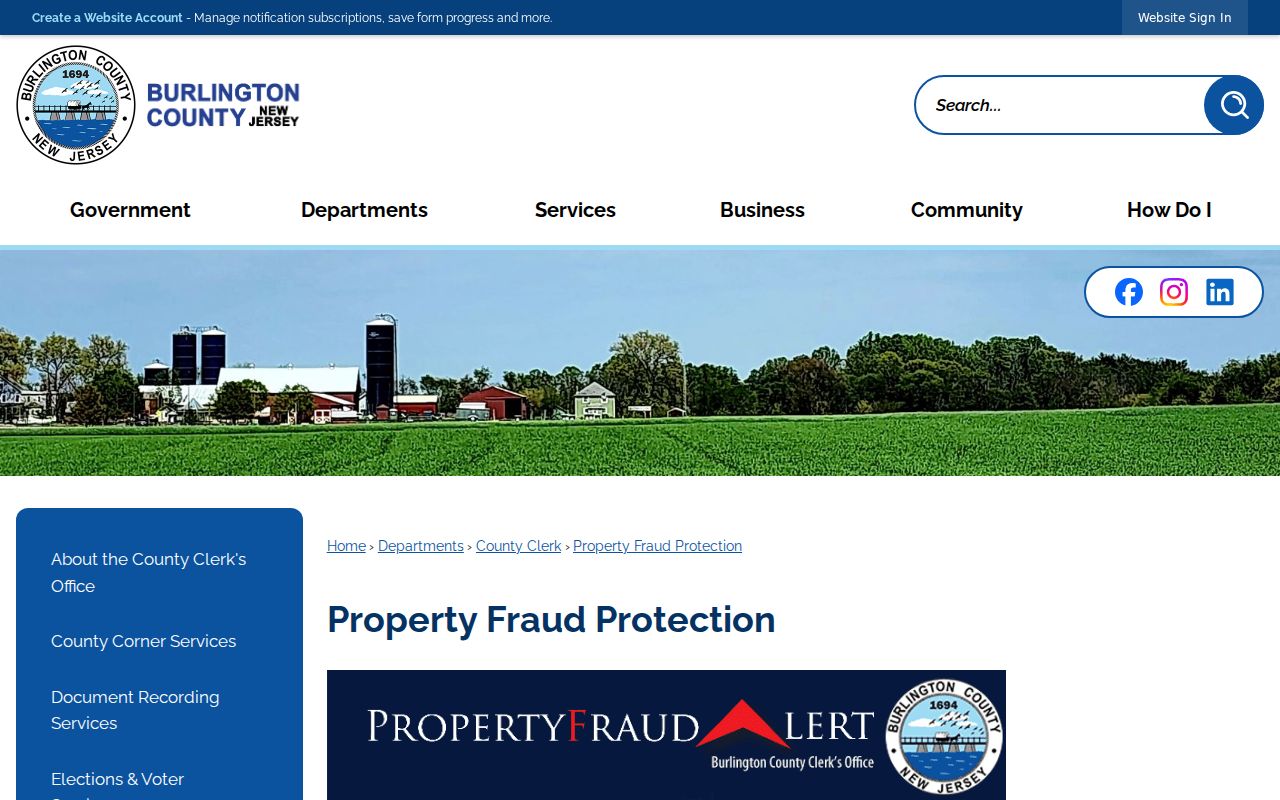
Separate exact-name subscriptions and spelling variations can matter for an alert. Remember that the service is monitoring, not a title opinion.
Burlington County Directories Reach Back to 1868
The paper trail in Burlington County begins with an 1868-69 volume covering Bordentown, Burlington, and Mount Holly, published by J. H. Lant & Co. Later titles fill whole shelves. The New Jersey State Library inventory lists Boyd and Howe county runs stretching from 1881-82 through 1910-11, alongside a 1913 Farm Journal directory that adds farm and landowner context. Manning volumes cover 1926 and 1929. A 1945 Calkin-Kelly Burlington directory follows. So does a 1955-56 Clark volume with rural routes and parts of Burlington Township. Titles differ in reach, though. A county name on a cover never promises that every town or household appears inside.
For address-to-name searching, the Library of Congress catalogs Burlington County criss-cross directories from 1971 through 1995. Gaps fall in 1975, 1984, 1993, and 1996. The Burlington County Library System's New Jersey Room adds family files, cemetery records, scrapbooks, directories, maps, newspapers, and photographs. The Burlington County Historical Society handles research by appointment and keeps deeds, maps, manuscripts, family albums, marriage certificates, business records, rare books, and photos. The full shelf list and entry-reading method live elsewhere. Find them on the Burlington County city directory page.
Burlington County Business Entries Need a Second Check
New Jersey's Division of Revenue and Enterprise Services answers most business-record questions that surface during a Burlington County lookup. Its tools cover business status, filed-document copies, registration certificates, alternate names, trade-name services, and UCC searches. Spelling matters here. Punctuation matters too. So does entity type. A single filing can surface a legal entity, its standing, registered agent, principal or service address, and available document images. A county trade-name question may instead belong with the County Clerk.
Treat any hit as an affiliation clue. A business or registered-agent address is not proof of where a person lives. The MyLicense verification service serves as the state's umbrella source for professional licensing. Cross-check a dated filing or license result against a property roll, directory page, or other fitting record before drawing any connection. The state business-services page marks the official enterprise-record route.
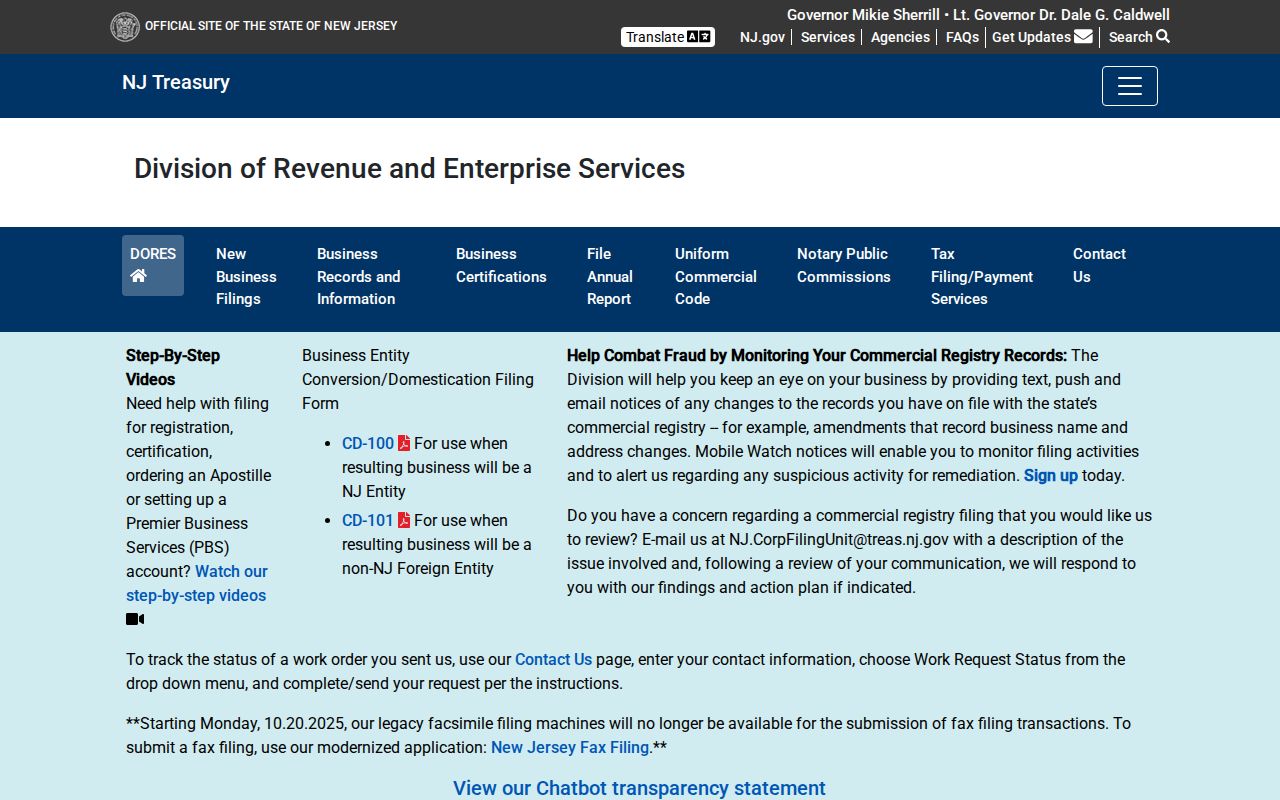
Treat each business filing as a business clue only.
Official Burlington County Records Beat Compilations
Official records win. They carry named custodians, dated entries, defined fields, and a correction route. Commercial compilations offer neither. They can sit stale. They can double up, or attach a name to the wrong person or address. No database replaces a current parcel record, a recorded instrument, an estate file, or a dated directory page. When a result matters for family history, estate work, reconnecting, or a property question, preserve the source URL, date, record number, and exact spelling. Then take errors to the custodian who issued the record.
| Official record route | What makes it useful | Practical limit |
|---|---|---|
| Clerk, assessor, election, court, or Surrogate | Named custodian and defined record purpose | May require a request, appointment, or date-specific search |
| Library, archives, or historical society | Dated primary and local-history materials | Coverage varies; some material is in person |
| Commercial compilation category | May supply a lead for a spelling or former address | Can be stale, incomplete, duplicated, or misassigned |
Burlington County Privacy Rules Can Close a Trail
A gap is not a verdict. Missing information proves neither a current address nor a false record. New Jersey's Address Confidentiality Program gives eligible participants a legal substitute address with mail forwarding. Daniel's Law shields covered public servants and eligible household members from disclosure on government sites. NJGIN's hosted parcel data redacts owner names under that law. Court files can be sealed or confidential. Voter rolls follow their own redaction and access rules. Motor-vehicle files, vital records, and other holdings each follow separate rules too.
The wider framework is the New Jersey Data Privacy Act, P.L. 2023, c.266, codified beginning at N.J.S.A. 56:8-166.4 et seq. Corrections still go to the source custodian. Parcel-card fixes belong to the assessor, while recording or index questions go to the Clerk. Registration matters sit with the election office. Docket material goes to the court clerk, and vital records to the Department of Health. An OPRA request seeks an existing record, not a universal removal process.
OPRA Opens the Right Burlington County Request
OPRA is the fallback when an existing county or municipal record sits behind no public interface. Start with the New Jersey Open Public Records Act guidance. The law is N.J.S.A. 47:1A-1 et seq. It requires a written request to the correct custodian. Name the document precisely. Add the municipality, date range, property, or subject. A verbal ask is not an OPRA request. Custodians answer as soon as possible and no later than seven business days, with documented extensions in some situations.
Electronic records are generally free beyond permitted actual costs. Paper copies default to $0.05 per letter page and $0.07 per legal page. Requests needing Daniel's Law review, or certain commercial-purpose requests, can draw a 14-business-day period with notice. After a denial, the Government Records Council or Superior Court offers a route. The first practical move is still a focused request to the office that holds the record. The official OPRA request guidance lays out the custodian-first process.
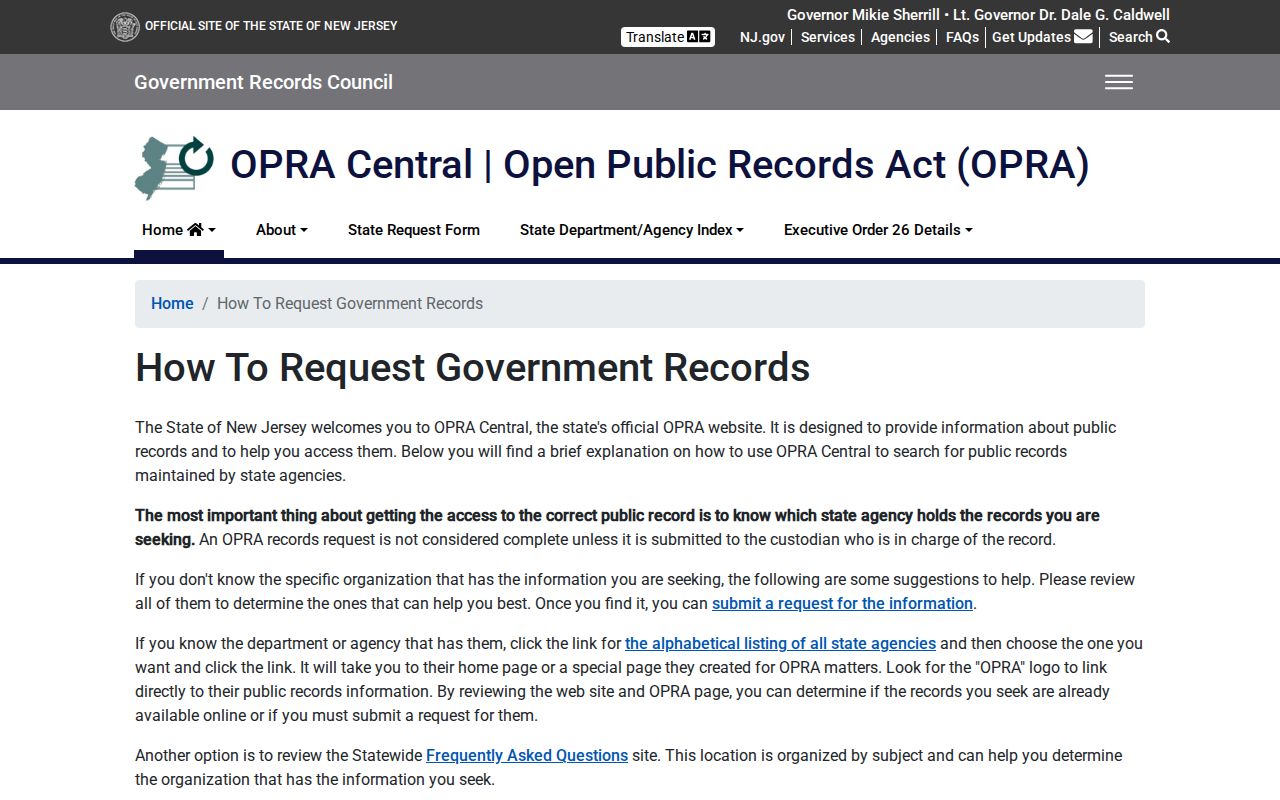
A narrow request names the record and its custodian. That beats a broad demand for a fresh resident list every time.
Burlington County Custody Searches Are Narrow Records
The state Department of Corrections offender-information page is a custody source, not a Burlington County resident roll. It works statewide. Its help materials cover aliases, case number, commitment order, counts, county of commitment, facility, maximum release date, and parole-eligibility date. The county directory lists the Detention Center. The county publishes no public inmate-search interface. Call the proper office instead of assuming an online roster exists.
Custody records cannot pin down a person's current household. A missing entry cannot prove a clean history either. Use the state tool only for an appropriate, lawful question. It is no substitute for a court disposition or a current address record. The state offender-information page marks the official statewide route.
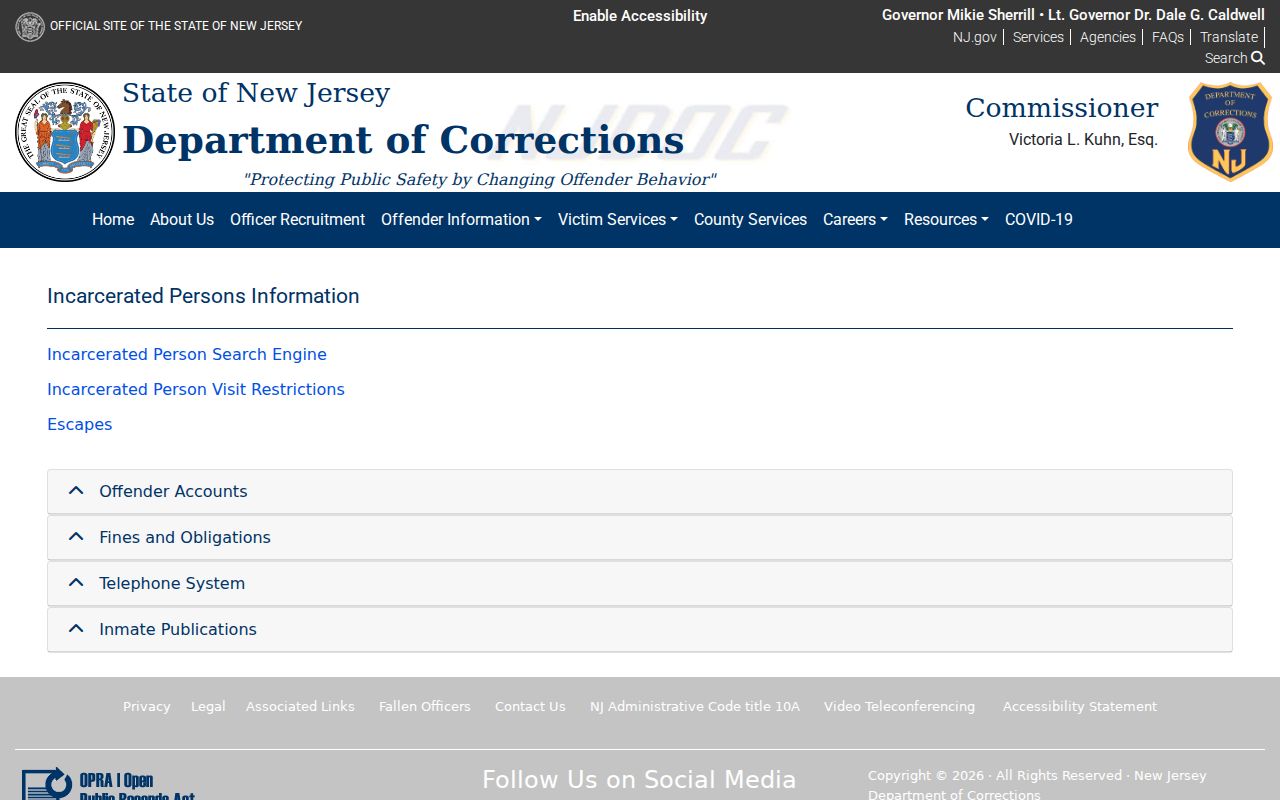
Check any Burlington County custody result against the Judiciary itself.